Epoxy Grout Singapore: Complete Guide for Durable, Stain-Resistant Grouting
What is Epoxy Grout?
Epoxy grout is a highly resistant and durable grouting option made from epoxy resin and filler powder. Unlike cement grout or traditional cement grout, epoxy grout has a non-porous surface that is naturally resistant to stains, moisture, and harsh chemicals.
This epoxy grouting solution is suitable for tile floors, grout joints, and grout lines in both residential and commercial areas. Its durable grout surface can withstand high traffic areas, wet environments, and frequent cleaning processes without compromising performance.
In Singapore’s humid climate, where wet environments are common in bathrooms, kitchens, and shower walls, using epoxy grout ensures your tiles and grout lines remain stain-resistant and durable for years.
Epoxy Grout vs Cement Grout
Cement-based grout, also known as traditional grout, has been used for decades but comes with drawbacks:
Porous nature – absorbs water and stains
Prone to mildew growth – especially in high-moisture areas
Hairline cracks – due to shrinkage and movement
Requires sealing to enhance durability and resistance
Epoxy grout, on the other hand, offers superior performance:
Non-porous nature ensures stain resistance and prevents mildew growth
Excellent chemical resistance, ideal for harsh cleaning products
Durable grout lines and grout surfaces withstand heavy foot traffic
Long-lasting performance without frequent maintenance or sealing
While epoxy grout has a higher initial cost compared to cement grout, the enhanced durability, resistant grout, and low maintenance make it cost-effective in the long run.
Benefits of Using Epoxy Grout
Choosing epoxy grout comes with multiple advantages for tile floors, grout joints, and tile surfaces:
1. Highly Resistant and Durable
Epoxy grout is highly resistant to stains, chemicals, and moisture, making it ideal for high moisture areas, showers, bathrooms, and commercial kitchens. Its durable grout lines withstand heavy foot traffic, ensuring long-lasting performance in high-traffic areas.
2. Non-Porous Surface
Unlike cement grout, epoxy grout has a non-porous nature, which prevents mildew growth, hairline cracks, and dirt accumulation. This makes it easier to maintain and clean, even in wet environments and vertical surfaces.
3. Easy Cleaning and Maintenance
Cleaning epoxy grout is simple. Its resistant grout surface allows you to remove stains, dirt, and spills without using harsh chemicals. Even in commercial areas where frequent cleaning is required, epoxy grout stays clean and maintains its non-porous surface.
4. Suitable for All Tile Types
Whether you have ceramic tiles, natural stone, or marble, epoxy grout is compatible with a wide variety of tile surfaces. It forms durable grout joints that enhance the appearance of tiles while providing long-term protection.
5. Long-Term Cost Efficiency
Although the installation cost may be higher than cement-based grout, the low maintenance, resistant surfaces, and durable grout lines make epoxy grout a cost-effective solution in the long term.
Types of Epoxy Grout
Epoxy grout comes in different formulations suitable for various applications:
Sanded Epoxy Grout – Ideal for grout joints wider than 3mm; prevents cracking and offers enhanced durability
Unsanded Epoxy Grout – Perfect for narrow grout joints and tile surfaces prone to scratching
Low VOC Epoxy Grout – Environmentally friendly and safe for indoor use
High Chemical Resistance Epoxy Grout – Designed for commercial kitchens or areas with harsh chemicals
Choosing the right type ensures the best epoxy grout performance for your tile floors, walls, and grout joints.
How to Apply Epoxy Grout
Correct epoxy grouting requires attention to detail:
Step 1: Prepare the Surface
Ensure tile surfaces and grout joints are clean, dry, and free from dirt, dust, and old grout residues. A clean surface ensures adhesion and prevents hairline cracks.
Step 2: Mixing Process
Mix the epoxy resin and filler powder according to the manufacturer’s instructions. Proper mixing ensures durable grout lines and a uniform, non-porous grout surface.
Step 3: Apply the Grout
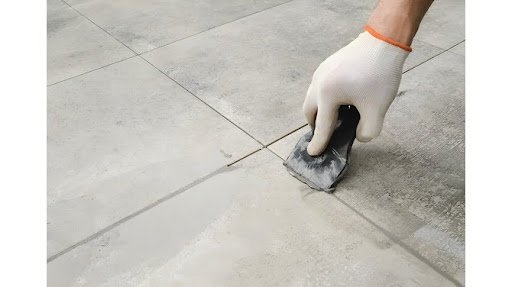
Use a grout float to apply epoxy grout evenly across grout lines. Fill grout joints completely, ensuring no gaps or air pockets.
Step 4: Remove Excess Grout
Immediately remove excess grout from the grout surface using a damp sponge. Prompt removal prevents hardening and ensures a smooth, stain-resistant finish.
Step 5: Curing
Allow the epoxy grout to cure fully before exposing it to water, foot traffic, or cleaning products. Proper curing ensures durable grout lines, a resistant grout surface, and long-lasting performance.
Choosing the Best Epoxy Grout in Singapore
When selecting epoxy grout for tile floors or grout joints, consider:
Tile Surface – Ceramic tiles, natural stone, marble, or porcelain
Grout Lines – Match grout type to joint size (sanded vs unsanded)
Moisture Exposure – High humidity, wet areas, and shower walls
Traffic Level – High-traffic areas such as commercial kitchens or hallways
Chemical Resistance – Areas with frequent cleaning or harsh chemicals
Choosing the best epoxy grout guarantees durable grout lines, non-porous surfaces, and long-lasting, stain-resistant results.
Maintenance Tips for Epoxy Grout
Even though epoxy grout is low maintenance, following these steps ensures it stays in top condition:
Use mild detergents for cleaning grout lines and grout surfaces
Avoid harsh chemicals that can damage the non-porous surface
Inspect grout joints regularly for damage or wear
Optional sealing can add protection, though epoxy grout is naturally resistant
Keep commercial areas, kitchens, and high moisture zones clean to prevent dirt buildup
Epoxy Grout Waterproof
One of the main advantages of epoxy grout is that it is waterproof. Its non-porous nature prevents water from seeping into grout joints or under the tile surface, unlike cement-based grout, which can absorb moisture over time. This makes epoxy grout ideal for wet environments, including shower walls, bathrooms, and kitchen floors.
Because it is waterproof, epoxy grout also prevents mildew growth and stains, keeping your grout lines clean and hygienic. In high-humidity climates like Singapore, epoxy grout waterproofing properties are essential for long-lasting, durable grout surfaces.
Grout Joints
Grout joints play a critical role in the durability and appearance of your tile floors and walls. Properly filled grout joints with epoxy grout provide enhanced resistance to water, dirt, and stains.
When using epoxy grouting, it’s important to select the correct type of grout based on joint width. Sanded epoxy grout is suitable for wider joints, while unsanded epoxy grout works best for narrow grout joints. Filling grout joints correctly ensures a durable, stain-resistant grout surface and prevents hairline cracks.
Cement Based Grout
Cement-based grout is the traditional choice for tile surfaces, but it is porous and prone to staining, mildew, and water damage. Unlike epoxy grout, cement based grout requires sealing to maintain durability and resistance to moisture.
While cement-based grout is easier to apply and slightly cheaper, it lacks the chemical resistance, stain resistance, and long-term durability of epoxy grout, especially in high moisture areas or commercial kitchens. For areas prone to frequent cleaning or water exposure, epoxy grout is the superior choice.
Epoxy Grouting
Epoxy grouting is more than just filling grout joints; it is a complete system for durable, non-porous surfaces. By mixing epoxy resin with filler powder, epoxy grouting creates grout lines that resist harsh chemicals, stains, and water damage.
Epoxy grouting is particularly effective in high-traffic areas, tile floors, and wet environments, providing long-lasting protection and reducing the need for maintenance or resealing. Proper epoxy grouting application ensures uniform coverage, smooth grout lines, and a resistant surface that keeps your tiles looking new.
Choose Epoxy Grout
When deciding which epoxy grout to use, you should choose epoxy grout based on the following criteria:
Tile Surface – Ceramic tiles, marble, natural stone, or porcelain
Grout Joint Width – Sanded or unsanded grout
Traffic & Moisture Levels – High-traffic areas or high moisture areas
Chemical Resistance – Areas cleaned with harsh chemicals
Maintenance Preference – Epoxy grout reduces long-term cleaning needs
By following these guidelines, you can choose epoxy grout that ensures durable grout joints, waterproof surfaces, and low-maintenance tile floors.
Harsh Chemicals
Epoxy grout is highly resistant to harsh chemicals, making it suitable for areas exposed to cleaning agents, detergents, or spills. Unlike cement-based grout, which can deteriorate under harsh chemicals, epoxy grout maintains its durable surface and stain resistance.
This property is particularly useful in commercial kitchens, laboratories, and wet environments where chemical exposure is frequent. When applying epoxy grouting, always follow manufacturer instructions and use proper protective gear, as even epoxy resin itself can be reactive during installation.
Best Epoxy Grout
The best epoxy grout combines durability, chemical resistance, non-porous properties, and ease of cleaning. It provides stain-resistant grout lines for tile surfaces, reduces the risk of mildew growth, and prevents hairline cracks in grout joints.
In Singapore, the best epoxy grout is designed to withstand high humidity, frequent cleaning, and heavy foot traffic. For homeowners and businesses, selecting a premium epoxy grout ensures long-lasting performance, resistant grout surfaces, and minimal maintenance.
Cement Based
Cement based grout is still used in many residential projects due to its low cost and ease of application. However, it is porous, absorbs water and dirt, and requires frequent sealing to remain durable.
Compared to epoxy grout, cement based grout is less resistant to harsh chemicals, prone to staining, and may develop hairline cracks over time. For high moisture areas, tile floors, or spaces requiring low-maintenance grout lines, epoxy grout is generally the better investment.
Common Mistakes to Avoid
To achieve the best results:
Don’t skip the mixing process as per manufacturer instructions
Remove excess grout promptly to prevent hardening on grout surfaces
Avoid using cement grout techniques on epoxy grout
Don’t clean with abrasive materials that can damage the grout surface
FAQs About Epoxy Grout
1. What is epoxy grout, and how is it different from cement grout?
Epoxy grout is non-porous, highly resistant, and more durable than cement grout. It also requires less maintenance and is better for high moisture areas.
2. How do I choose the best epoxy grout?
Look at tile surface type, grout joint width, foot traffic, moisture levels, and chemical exposure.
3. Is epoxy grout suitable for Singapore homes?
Yes. The humid climate, wet environments, and frequent cleaning in Singapore make epoxy grout ideal for HDBs, condos, and commercial areas.
4. What are the disadvantages of epoxy grout?
It has a higher initial cost, requires careful mixing and application, and may need professional installation for complex areas.
5. How long does epoxy grout last?
With proper maintenance and cleaning process, epoxy grout can last 10–20 years, much longer than cement-based grout.
Why Use Epoxy Grout in Singapore
Epoxy grout is perfect for Singapore’s conditions because:
It withstands high humidity and wet environments
It is stain-resistant for tile floors and commercial kitchens
It has chemical resistance for areas frequently cleaned with harsh chemicals
It provides durable grout lines and long-lasting surfaces
Whether you have ceramic tiles, marble, natural stone, or tile surfaces in residential or commercial areas, epoxy grout ensures resistant, durable, and low-maintenance grout lines.